
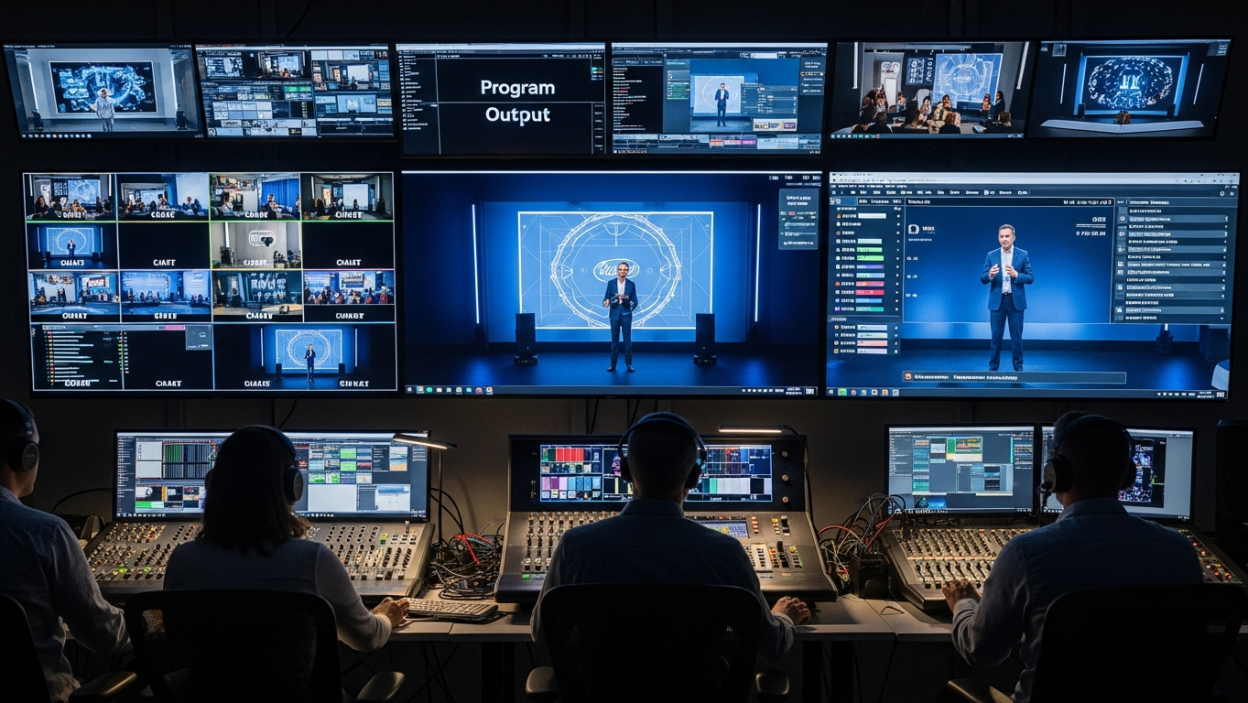
Virtual events are no longer just a temporary solution; they have become a core component of modern event strategy. Hosting a successful online event requires much more than just a webcam and a video conferencing link. It demands a strategic approach to planning, technology, and execution. This is where virtual event production comes in.
As audiences become more accustomed to digital experiences, their expectations continue to rise. Attendees now look for polished visuals, clear audio, smooth transitions, and interactive elements that keep them engaged from start to finish. A poorly produced virtual event can quickly lead to drop-offs, reduced engagement, and a negative perception of your brand.
Virtual event production bridges the gap between simple online meetings and fully immersive digital experiences. It brings together creative storytelling, reliable technology, and detailed coordination to ensure every element of the event works seamlessly. From content flow and speaker coordination to audience interaction and technical reliability, professional production transforms virtual events into impactful, memorable experiences that support long-term business goals.
What is Virtual Event Production?
Virtual event production is the complete process of planning, managing, and executing an online event. It covers everything from the initial concept and strategy to the final broadcast and post-event analysis. Unlike a simple webinar, a fully produced virtual event often involves multiple speakers, high-quality video and audio, interactive elements, and a seamless digital platform.
The goal of professional production is to create an engaging, polished, and glitch-free experience for a remote audience. It combines the technical aspects of broadcasting with the creative elements of event design to deliver content that captivates and informs attendees, no matter where they are.
In addition to technical execution, virtual event production focuses heavily on audience experience. This includes thoughtful agenda design, smooth session transitions, and the strategic use of interactive tools such as live polls, Q&A sessions, and chat features. These elements help maintain attention, encourage participation, and make attendees feel involved rather than passive viewers.
Professional virtual event production also ensures reliability and consistency. Backup systems, rehearsals, and real-time monitoring reduce the risk of technical issues during live sessions. By aligning technology, content, and delivery, virtual event production transforms online events into professional, high-impact experiences that build credibility, strengthen brand presence, and achieve measurable business outcomes.
The Three Stages of Virtual Event Production
Stage 1: Pre-Production (The Planning Phase)
This is the foundational stage where all the planning and preparation happen. A thorough pre-production phase is the single most important factor in determining your event’s success.
During this stage, every critical decision is made, from defining objectives and identifying the target audience to selecting the right format, platform, and technology. It’s the time to shape the event’s vision, develop a compelling agenda, secure speakers, and establish clear timelines and responsibilities. Detailed planning at this stage helps minimize risks, prevent technical issues, and ensure that all stakeholders are aligned.
A strong pre-production process also allows teams to anticipate potential challenges and create contingency plans. By investing sufficient time and effort upfront, you set a solid foundation that enables smooth execution during the live event and maximizes engagement, impact, and overall return on investment.
Define Your Goals and KPIs
Start by clarifying what you want to achieve. Are you aiming for lead generation, brand awareness, employee training, or sales? Your goals will shape every decision you make. Set specific, measurable, achievable, relevant, and time-bound (SMART) goals and key performance indicators (KPIs) to track your success.
Common KPIs for virtual events include:
Start by clarifying what you want to achieve. Are you aiming for lead generation, brand awareness, employee training, or sales? Your goals will shape every decision you make. Set specific, measurable, achievable, relevant, and time-bound (SMART) goals and key performance indicators (KPIs) to track your success.
Common KPIs for virtual events include:
Number of registrations
Attendance rate
Audience engagement (e.g., chat messages, poll responses)
Leads generated
Post-event survey feedback
Clearly defining these goals at the outset provides a strategic framework for your entire virtual event. When objectives are well articulated, it becomes easier to align content, speakers, technology, and promotional efforts with your desired outcomes. This alignment ensures that every element of the event serves a clear purpose rather than operating in isolation.
KPIs help transform abstract goals into measurable outcomes. For example, if your objective is brand awareness, metrics such as registrations and attendance rate indicate how effectively your messaging reached and attracted your target audience. If lead generation is the priority, tracking qualified leads and post-event follow-ups becomes critical to understanding business impact.
Monitoring engagement-related KPIs, such as chat activity and poll participation, offers valuable insight into how well your content resonates with attendees. High engagement often signals relevance and interest, while low interaction may indicate a need to adjust session formats, pacing, or topics in future events.
Post-event survey feedback adds a qualitative layer to your performance analysis. Attendee comments, ratings, and suggestions can uncover strengths to build on and gaps to address, helping you continuously improve your virtual event strategy.
By consistently reviewing and refining your goals and KPIs, you can better demonstrate ROI, optimize future events, and ensure that each virtual experience delivers meaningful value to both your audience and your organization.
Know Your Audience
Who are you trying to reach? Understanding your target audience’s needs, preferences, and technical capabilities is crucial. Consider their time zones, their familiarity with virtual platforms, and the type of content that will resonate with them. Create detailed audience personas to guide your content and marketing strategies.
Choose the Right Format and Platform
The format of your event depends on your goals. Common formats include:
- Webinars: Best for educational content and presentations.
- Virtual Conferences: Multi-session events with keynotes, breakouts, and networking.
- Hybrid Events: Combine a live in-person audience with a virtual one.
- Internal Events: All-hands meetings, town halls, or training sessions.
Once you’ve chosen a format, select a virtual event platform that meets your needs. Look for features like live streaming, Q&A, polling, chat, breakout rooms, and robust analytics. Popular platforms include Zoom, ON24, Bizzabo, and Hopin.
Develop Compelling Content and Secure Speakers
Content is the heart of your event. Plan a dynamic agenda with a mix of formats like keynote presentations, panel discussions, workshops, and Q&A sessions.
When selecting speakers, look for experts who are not only knowledgeable but also engaging on camera. Provide them with clear guidelines, talking points, and technical requirements. It’s essential to schedule rehearsal sessions to ensure they are comfortable with the platform and that their presentation flows smoothly.
Create a Production Schedule and Run-of-Show
A detailed production schedule, or run-of-show, is your event’s blueprint. It should outline every segment of the event minute by minute, including:
- Start and end times for each session
- Speaker cues and transitions
- Media playback (videos, slides)
- Scheduled interactive elements (polls, Q&A)
- Breaks
Stage 2: Live Production (The Execution Phase)
This is “showtime.” The live production phase is where all your planning comes to life. The focus here is on flawless execution and active audience engagement.
Technical Checks and Rehearsals
On the day of the event, conduct final technical checks of all equipment—cameras, microphones, lighting, and internet connections. Run through the entire event with your speakers and production team one last time. This “dress rehearsal” helps identify and fix any last-minute issues.
Managing the Live Broadcast
During the event, a production team is essential. Key roles include:
- Producer/Show Caller: Oversees the entire broadcast and cues speakers, media, and transitions according to the run-of-show.
- Technical Director: Manages the streaming platform, switching between camera feeds, and playing media.
- Moderator: Facilitates sessions, manages the Q&A, and interacts with the audience in the chat.
- Speaker Support: Provides technical assistance to speakers behind the scenes.
Engaging the Audience
Keeping a remote audience engaged requires a proactive approach. Use interactive tools throughout the event:
- Live Polls and Surveys: Gather real-time feedback and opinions.
- Q&A Sessions: Allow attendees to ask questions and interact with speakers.
- Live Chat: Encourage conversation and networking among attendees.
- Gamification: Incorporate leaderboards or quizzes to add a fun, competitive element.
Stage 3: Post-Production (The Follow-Up Phase)
The event isn’t over when the live stream ends. The post-production phase is crucial for maximizing the value of your event and nurturing the connections you’ve made.
Distribute On-Demand Content
Record all your sessions and make them available on demand. This allows registered attendees to re-watch content and enables you to reach a wider audience who couldn’t attend live. Edit the recordings to create highlight reels, short clips for social media, or other valuable content assets.
Analyze Data and Measure ROI
Review the data from your virtual event platform. Analyze your KPIs to determine what worked well and what could be improved. Track metrics like attendance rates, session popularity, and engagement levels to measure your return on investment (ROI).
Gather Feedback and Follow Up
Send out a post-event survey to gather feedback from attendees. Their insights are invaluable for planning future events. Use this opportunity to follow up with leads, share relevant resources, and continue the conversation started during the event.
A well-designed post-event survey helps you understand what resonated most with your audience and where improvements are needed. Ask a mix of quantitative questions (such as ratings for sessions, speakers, and overall experience) and qualitative questions that allow attendees to share open-ended feedback. This balanced approach provides both measurable data and deeper insights.
Survey responses can reveal patterns in audience preferences, content relevance, and technical performance. For example, feedback may highlight which sessions were most engaging, whether the event length was appropriate, or if any technical issues affected the experience. These insights allow you to make informed adjustments to your agenda, format, or platform for future events.
Beyond feedback, post-event communication is a powerful lead-nurturing opportunity. Following up with attendees enables you to share session recordings, presentation slides, or additional resources that extend the value of the event. Personalized follow-up messages can also move prospects further down the funnel by addressing their specific interests or questions.
Continuing the conversation after the event helps maintain momentum and strengthens relationships with your audience. By actively listening to feedback and responding with relevant content and next steps, you turn a single virtual event into an ongoing engagement that supports long-term trust, loyalty, and business growth.
Your Roadmap to Virtual Event Success
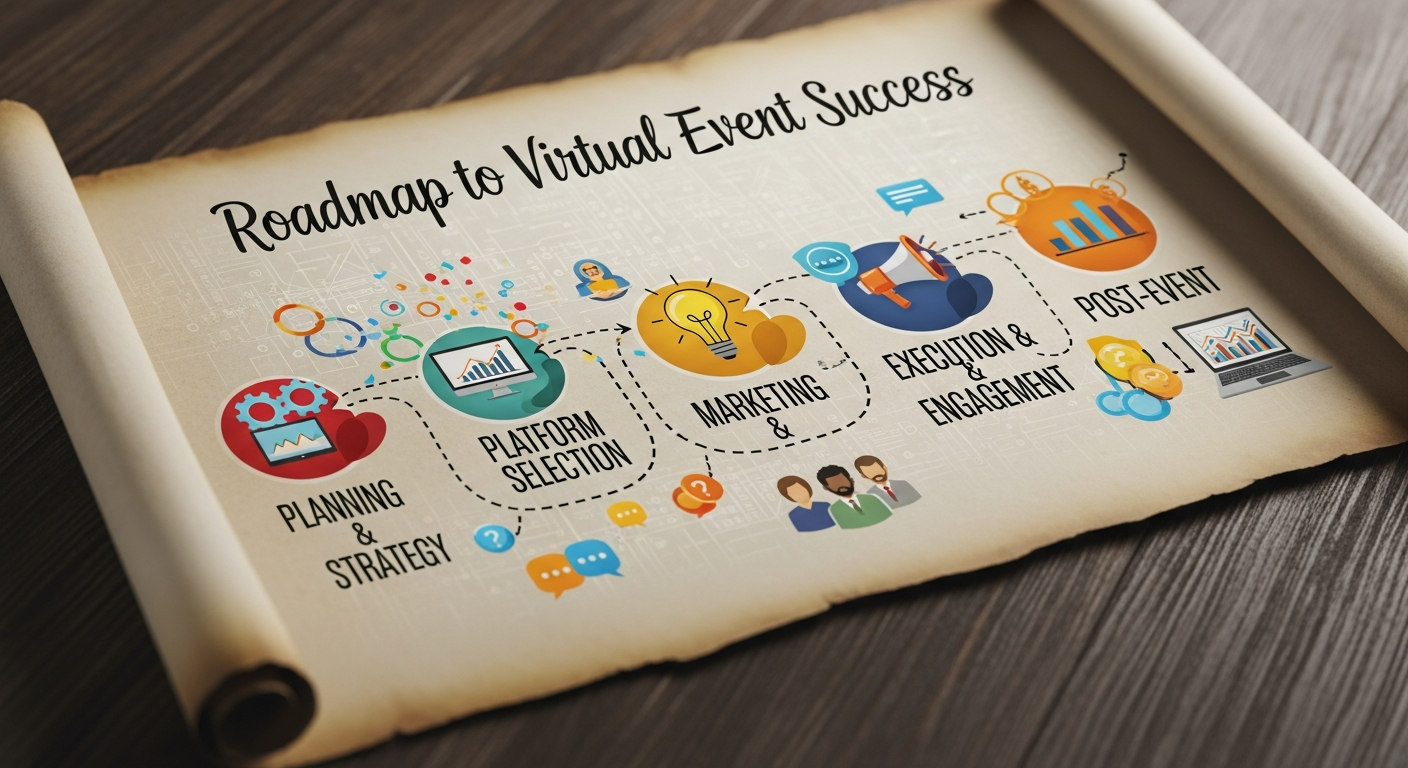
Virtual event production is a multifaceted discipline that blends strategy, technology, and creativity. By following a structured process that covers pre-production, live execution, and post-production, you can move beyond simple webcasts to create truly professional and engaging virtual experiences.
The key is to focus on your audience, deliver high-quality content, and leverage technology to create an interactive and seamless event. With careful planning and a dedicated team, your next virtual event can be a powerful tool for achieving your business objectives and leaving a lasting impression on your attendees.
FAQ – Virtual Event Production
Q1: What is virtual event production?
A1: Virtual event production is the end-to-end process of planning, managing, and delivering an online event, including strategy, technology setup, live execution, and post-event analysis.
Q2: How is a virtual event different from a webinar?
A2: A virtual event is more comprehensive, often involving multiple speakers, advanced production quality, interactive features, and a structured agenda, while webinars are usually simpler and presentation-focused.
Q3: Why is pre-production so important?
A3: Pre-production sets the foundation for success by defining goals, understanding the audience, selecting the right platform, preparing content, and creating a detailed run-of-show.
Q4: What roles are essential during live production?
A4: Key roles include a producer/show caller, technical director, moderator, and speaker support to ensure smooth execution and audience engagement.
Q5: How can audience engagement be improved in virtual events?
A5: Engagement can be boosted through live polls, Q&A sessions, chat features, gamification, and interactive content throughout the event.
Q6: What happens after the live event ends?
A6: Post-production includes distributing on-demand content, analyzing performance data, measuring ROI, collecting feedback, and following up with attendees and leads.


Webinar Analytics: A Complete Guide to Measuring Success and Improving Performance
The Ultimate Webinar Follow-Up Strategy to Turn Attendees into Customers
Webinar Accessibility Best Practices: How to Make Your Online Events Inclusive for All
Webinar Personalization: Tailoring Content to Audience Segments for Maximum Engagement