
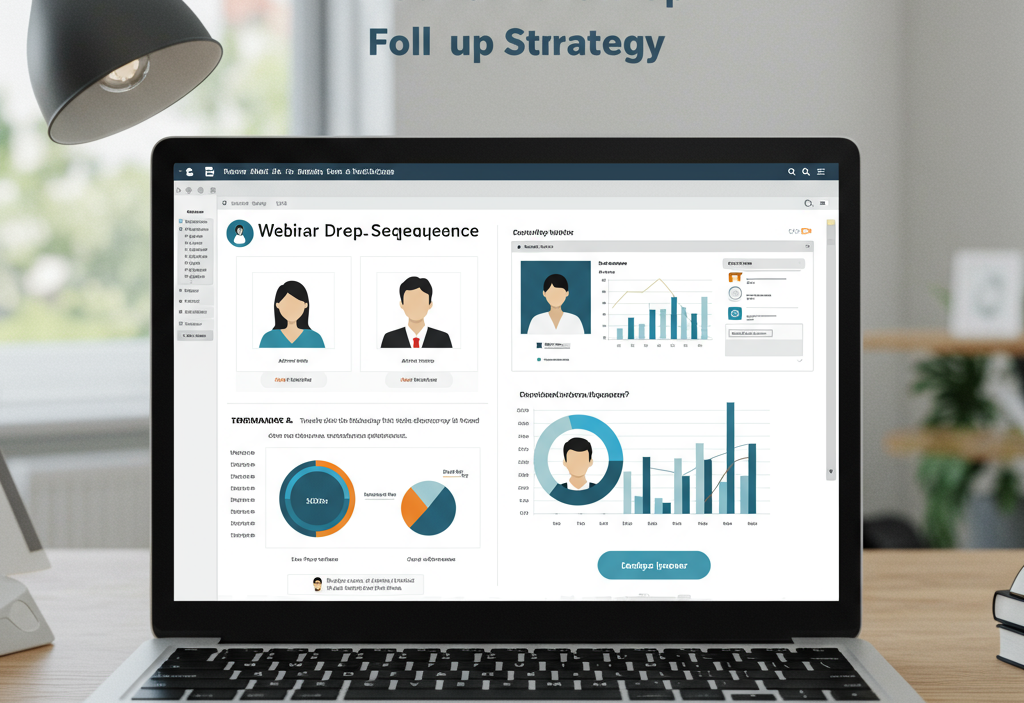
Effective post-webinar follow-up drives engagement and conversions. Segment attendees, create multi-touch email sequences, leverage automation, integrate multi-channel outreach, and repurpose content. Measuring KPIs and optimizing strategies ensures leads move through the funnel, maximizing ROI and long-term impact.
Hosting a successful webinar is only half the battle. The real opportunity lies in how you engage and nurture your attendees after the live event ends. A well-crafted post-webinar follow-up strategy can dramatically boost your lead conversion rates, reinforce your brand message, and turn curious participants into loyal customers.
Why Post-Webinar Follow-Up Matters
Your webinar may have captured attention and generated hundreds of registrations, but without the right follow-up, many prospects will drift away. According to industry benchmarks, up to 70% of registrants never view the replay if they don’t receive timely reminders and relevant content. Effective follow-up nurtures your audience through the buyer’s journey, provides additional value, and compels them to take the next step—whether that’s booking a demo, making a purchase, or scheduling a call with sales. Read more about Webinar Accessibility.
Step 1: Segment Your Attendees for Personalized Outreach
One-size-fits-all messaging underperforms in driving engagement and conversions. To maximize the effectiveness of your webinar follow-up, start by carefully segmenting your audience into distinct groups based on their level of participation and interaction with the event. Common segmentation categories include:
-
Attended Live – Participants who joined the live session and engaged with polls, Q&A, or chat. These attendees are already familiar with your content and brand, making them more receptive to deeper engagement, such as exclusive offers, advanced resources, or invitations to upcoming webinars.
-
Watched Replay – Registrants who were unable to attend the live session but later viewed the recording. These individuals have shown interest but may need additional nudges, like supplementary materials, recorded Q&A sessions, or targeted content that addresses key takeaways they may have missed.
-
No Show – Registrants who neither attended the live event nor viewed the recording. This group requires re-engagement strategies, such as limited-time access to the replay, enticing summaries of the webinar’s highlights, or special offers designed to capture attention and motivate action.
Each segment has unique pain points, preferences, and levels of engagement. Crafting messages that speak directly to the specific experiences of each group ensures higher relevance and effectiveness. For instance, express gratitude to live attendees, invite replay viewers to interactive sessions, and provide no-shows with compelling incentives to watch the recording. By tailoring your communication in this way, you increase the likelihood of nurturing leads down the funnel, improving retention, and driving conversions.
Step 2: Design a Multi-Touch Email Sequence
A carefully structured multi-touch email sequence helps maintain engagement with webinar attendees over several weeks without overwhelming them. Typically, a series of 5–7 emails over 2–3 weeks provides consistent value while guiding recipients down the buyer’s journey. A well-planned cadence ensures your brand stays top of mind, nurtures leads, and maximizes conversions. Below is a proven flow for post-webinar email sequences:
-
Thank You & Replay Access
Send this email within 2 hours of the webinar. Include the recording link, slides, and a brief feedback survey. Prompt engagement by thanking attendees for their participation and offering immediate access to resources they may have missed. This email sets a positive tone and establishes credibility. -
Top Takeaways & Resources
Send 24–48 hours later. Highlight the key insights from the webinar, and link to additional resources such as blog posts, case studies, or whitepapers that expand on the discussed topics. Reinforce the value of your content and encourage deeper exploration. -
Exclusive Q&A Invitation
Send 3–5 days later. Invite recipients to a live office hours session or webinar recap, providing deeper expertise or clarification on topics covered. This fosters interaction, builds trust, and demonstrates your commitment to supporting attendees beyond the initial event. -
Success Story / Case Study
Send 1 week after the webinar. Showcase a customer success story that mirrors attendees’ challenges and illustrates how your product or service delivered results. Real-world examples enhance credibility and inspire confidence in your solutions. -
Special Offer or Demo Invitation
Send 10–14 days post-webinar. Offer a limited-time discount, extended trial, or an invitation to book a personalized demo. Tailor messaging based on attendee segment (live, replay, no-show) to increase relevance and conversion likelihood. -
Reminder & Last Chance
Send 2 days before the offer expires. Create urgency while reiterating the core benefits of your product, service, or special offer. Reminders help capture late-deciders and reinforce the value proposition. -
Survey & Feedback Request
Send 2–3 weeks after the webinar. Collect feedback to improve future webinars, understand attendee preferences, and maintain engagement. This final touchpoint demonstrates that you value their input and are committed to continuous improvement.
By implementing this structured sequence, you can nurture leads effectively, build stronger relationships, and increase the likelihood of conversions. Each email should provide value, maintain clear calls-to-action, and reflect the attendee’s experience with the webinar to maximize impact.
Step 3: Leverage Marketing Automation Tools
Automating your email series ensures timely delivery and tracks engagement metrics like open rates, click-through rates, and conversions. Popular platforms include:
- HubSpot – Advanced segmentation, workflows, and CRM integration
- Mailchimp – User-friendly automation builder and A/B testing
- ActiveCampaign – Behavioral triggers and personalization at scale
- Drip – E-commerce focused sequences and revenue attribution
Use dynamic content blocks to tailor each email to the recipient’s webinar behavior and product interests. Set up lead scoring rules so your sales team gets notified when contacts reach a threshold indicating high purchase intent.
Step 4: Integrate Multi-Channel Touchpoints
While email serves as the cornerstone of your post-webinar follow-up, incorporating complementary multi-channel touchpoints can significantly amplify engagement, reinforce messaging, and increase conversions. Diversifying channels ensures your audience encounters your brand across formats they prefer, improving recall and response rates. Consider these approaches:
-
SMS Reminders – Send concise, timely text messages to alert attendees about recording availability, upcoming Q&A sessions, or special offers. SMS has high open rates and ensures your message reaches recipients instantly, even if they miss emails.
-
LinkedIn Outreach – For high-value prospects or B2B audiences, leverage personalized connection requests and InMail follow-ups. Tailor messages to reference their webinar participation, highlighting key insights or next steps. This professional touch helps build relationships and drives targeted engagement.
-
Retargeting Ads – Use Facebook, Instagram, or Google ads to re-engage webinar participants. Promote exclusive offers, additional resources, or follow-up content that complements the webinar. Retargeting keeps your brand top-of-mind and encourages further interaction with minimal effort.
-
Direct Mail – For enterprise or high-value clients, send branded gifts, printed materials, or personalized letters to nurture offline relationships. Tangible items create a memorable impression, demonstrate appreciation, and differentiate your outreach from competitors relying solely on digital channels.
By integrating these complementary touchpoints, you create a multi-channel follow-up ecosystem that reinforces your webinar messaging, caters to different audience preferences, and maximizes the potential for conversions.
Step 5: Measure Success & Optimize
Measuring the effectiveness of your post-webinar follow-up is crucial to understand what resonates with your audience and where adjustments are needed. Track key performance indicators (KPIs) to gain actionable insights and continuously refine your strategy:
-
Email Open Rate – Assess how compelling your subject lines are and whether your audience recognizes and trusts your brand as the sender. A high open rate indicates strong initial engagement, while a low rate signals the need for improved messaging or timing.
-
Click-Through Rate (CTR) – Measure how many recipients engage with your post-webinar content and follow the call-to-action (CTA) links. CTR highlights which emails, topics, or offers generate interest and which need optimization.
-
Conversion Rate – Track the percentage of attendees who take the intended action, such as booking a demo, making a purchase, or registering for a trial. This metric directly reflects the ROI of your follow-up campaign.
-
MQL to SQL Rate – Monitor how many Marketing Qualified Leads (MQLs) progress to Sales Qualified Leads (SQLs). This helps evaluate the quality of leads generated from your webinar and the efficiency of your lead nurturing process.
-
Revenue Generated – Calculate total sales or revenue directly attributed to the webinar campaign. This ultimate metric measures overall financial impact and helps justify investment in webinars and follow-up activities.
To further refine your efforts, implement A/B testing across key elements, including email subject lines, sending times, messaging formats, and CTAs. Analyze the performance of each audience segment separately to uncover high-potential groups, identify patterns, and determine which strategies drive the strongest engagement and conversions.
By continuously monitoring these KPIs, experimenting with variations, and adjusting tactics based on data, you can optimize your post-webinar follow-up program for maximum impact and ROI.
Step 6: Repurpose and Extend Your Webinar Content
To maximize the ROI of your webinar, transform your live content into a variety of evergreen marketing assets that continue to attract, educate, and engage prospects long after the event. Repurposing not only extends the life of your content but also allows you to reach audiences who may have missed the original session.
-
Blog Posts – Turn key insights and actionable takeaways into detailed articles. Embed the webinar recording or highlight clips to provide both written and visual context, enhancing SEO and increasing engagement on your website.
-
Social Media Clips – Extract short, compelling segments from the webinar and share them on platforms like LinkedIn, Twitter, Instagram, or TikTok. These highlight reels can generate curiosity, drive traffic to the full recording, and reinforce your brand message across multiple channels.
-
Ebooks or Whitepapers – Expand on the webinar’s core themes to create in-depth guides or thought leadership pieces. Gate these assets behind lead capture forms to continue generating high-quality leads while offering substantial value to your audience.
-
Podcast Episodes – Convert the webinar audio into a podcast format or extract sections for interviews, panel discussions, or commentary. This approach reaches audiences who prefer audio content and positions your brand as a knowledge leader in your industry.
-
Slide Deck Sharing – Upload your presentation slides to platforms like SlideShare or embed them directly on your website. Complement slides with notes, commentary, or downloadable PDFs to provide ongoing reference material for attendees and new visitors.
Call-to-Action Integration – Each repurposed asset should include a clear, compelling CTA that guides your audience back into your follow-up sequence, scheduling funnel, or conversion path. Examples include links to book a demo, download additional resources, register for an upcoming webinar, or join a newsletter list.
By systematically repurposing your webinar content, you not only increase its reach and longevity but also create multiple touchpoints to nurture leads, reinforce brand authority, and drive conversions long after the live event has concluded.
Case Study: How Company X Achieved 30% Conversion

Company X, a B2B SaaS provider, hosted a comprehensive product demo webinar for 500 registrants. To maximize engagement and conversions, they implemented a structured post-webinar follow-up strategy based on segmentation, multi-touch email sequences, automation, and multi-channel outreach.
Results Achieved:
-
50% Live Attendance Rate – Half of the registrants actively participated in the live session, providing immediate engagement opportunities.
-
80% Replay View Rate – Attendees who missed the live event were effectively re-engaged via timely follow-up emails, reminders, and targeted retargeting ads.
-
25% Email Sequence Click-Through Rate – Personalized, value-driven emails encouraged recipients to explore resources, join Q&A sessions, and access demos, driving measurable engagement.
-
30% Overall Conversion to Paid Customers – A significant portion of the audience progressed through the funnel, demonstrating the effectiveness of tailored messaging and timely offers.
Key Success Factors:
-
Personalized Email Content – Segmented messaging addressed specific audience needs, whether live attendees, replay viewers, or no-shows.
-
Compelling Limited-Time Offer – Urgency-driven discounts or trial extensions encouraged prompt action.
-
Retargeting Ads for No-Shows – Multi-channel follow-up ensured registrants who initially missed the webinar were reminded and guided back to the content.
This case study highlights how a strategically planned, multi-channel post-webinar follow-up can transform a standard webinar into a powerful lead generation and conversion engine, turning registrants into paying customers.
Best Practices & Pro Tips
- Be Prompt – Send the first email within two hours to capitalize on fresh engagement
- Offer Value – Ensure every touch provides actionable insights or resources
- Use Clear CTAs – Guide recipients to one primary action per email
- Maintain Consistency – Stick to a predictable cadence so your audience knows what to expect
- Monitor Feedback – Adjust messaging based on survey responses and direct replies
- Scale Gradually – Test on a segment before rolling out broad changes
Conclusion
A strategic, multi-channel follow-up plan transforms your webinar from a one-time event into a powerful lead-generating engine. By segmenting your audience, crafting personalized email sequences, leveraging automation, and measuring your results, you’ll guide attendees down the funnel and convert them into customers. Follow these steps, optimize with data, and watch your post-webinar ROI soar.
Ready to implement the ultimate webinar follow-up strategy? Start by mapping your first email sequence today, and don’t forget to collect feedback to continuously refine your approach.
Frequently Asked Questions
Q1: Why is post-webinar follow-up important?
A: Follow-up nurtures leads beyond the live event, reinforces key messages, and increases conversion rates. Without it, many registrants may never view the replay or take the next step, wasting your webinar investment.
Q2: How should I segment webinar attendees?
A: Segment attendees into three main groups:
-
Attended Live: Engaged during the session; ready for deeper follow-up.
-
Watched Replay: Missed live but viewed later; needs supplementary resources.
-
No Show: Did not attend or view; requires re-engagement with incentives.
Q3: What is a multi-touch email sequence?
A: A series of 5–7 emails over 2–3 weeks that nurtures attendees through the buyer’s journey. Emails can include thank-you notes, key takeaways, Q&A invitations, case studies, demo offers, reminders, and surveys.
Q4: Which tools can help automate follow-up?
A: Marketing automation platforms like HubSpot, Mailchimp, ActiveCampaign, and Drip streamline email delivery, segment audiences, track engagement metrics, and trigger personalized actions based on attendee behavior.
Q5: Should I use channels other than email?
A: Yes. Complement email with SMS reminders, LinkedIn outreach, retargeting ads, and direct mail. Multi-channel follow-up increases visibility, engagement, and conversion rates by reaching attendees across their preferred platforms.
Q6: How do I measure follow-up success?
A: Track KPIs such as email open rate, click-through rate, conversion rate, MQL-to-SQL rate, and revenue generated. A/B testing subject lines, timing, and content helps optimize performance for maximum ROI.
Q7: Can webinar content be repurposed?
A: Absolutely. Turn webinars into blog posts, social media clips, ebooks, podcasts, or slide decks. Include clear calls-to-action to guide leads back into your nurturing funnel, extending the value of your content.
Q8: What are best practices for post-webinar follow-up?
A: Send the first email promptly, offer valuable content in each touchpoint, maintain a clear CTA, monitor feedback, stick to a consistent cadence, and scale strategies gradually.

Webinar Analytics: A Complete Guide to Measuring Success and Improving Performance
The Ultimate Webinar Follow-Up Strategy to Turn Attendees into Customers
Webinar Accessibility Best Practices: How to Make Your Online Events Inclusive for All
Webinar Personalization: Tailoring Content to Audience Segments for Maximum Engagement