
Webinar personalization boosts engagement, retention, and conversions by tailoring content to distinct audience segments. Using data-driven segmentation, modular content, dynamic polls, and targeted follow-ups, businesses deliver relevant experiences, build trust, improve performance, and continuously optimize future webinars for measurable growth.
In an era of one-size-fits-none marketing, webinar personalization has emerged as a powerful way to connect with audiences on a deeper level. No longer is it enough to deliver generic presentations to a broad audience. Segmenting participants and delivering tailored content not only boosts engagement, but it also drives higher retention, stronger brand loyalty, and improved conversion rates.
Why Personalization Matters for Webinars
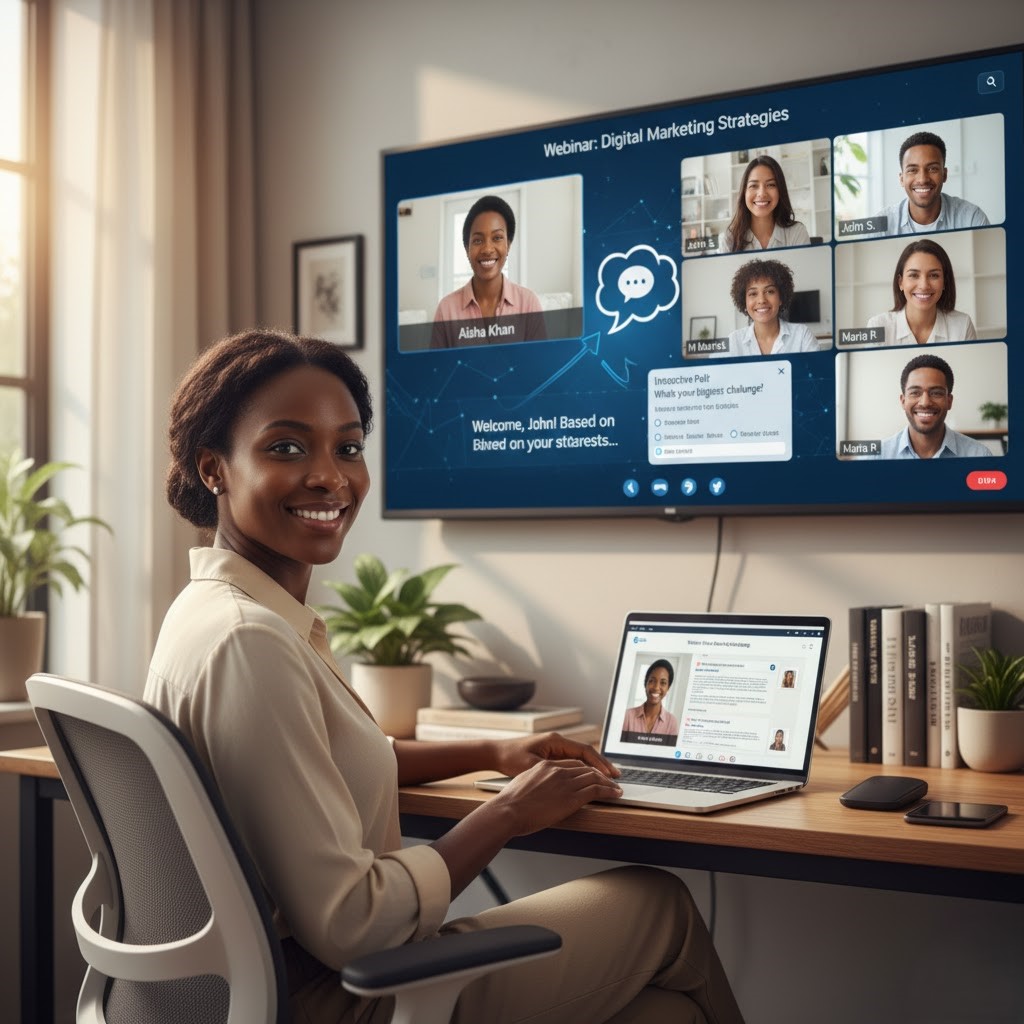
Traditional webinars often suffer from low interaction and drop-off because they fail to address the unique needs and interests of varied participants. By personalizing content and communication, you can:
Boost Engagement: Tailored material feels more relevant, prompting questions and chat activity.
Improve Retention: Attendees stay longer when they see that the content directly applies to their challenges.
Drive Conversions: Customised calls to action resonate more effectively, increasing signups or purchases.
Build Trust: Demonstrating an understanding of attendee pain points fosters credibility and loyalty.
Beyond these core benefits, personalization also enhances the overall attendee experience by making each participant feel recognized rather than treated as part of a generic audience. When attendees receive content aligned with their industry, role, or goals, they are more likely to actively participate, share insights, and return for future events.
Personalization also improves lead quality. Since content is aligned with specific needs, the leads generated tend to be more qualified and further along the buyer’s journey. This allows sales and marketing teams to follow up with greater precision and relevance.
Moreover, personalized webinars strengthen brand perception. Brands that invest in understanding their audience are seen as more professional, customer-centric, and innovative. This positive brand impression not only increases immediate webinar success but also supports long-term loyalty, referrals, and repeat registrations.
Identifying and Defining Audience Segments
Effective personalization starts with segmentation. Begin by collecting data during registration and through pre-event surveys. Common segmentation criteria include:
Industry or Job Role: Tailor examples and best practices to specific verticals or functions.
Experience Level: Offer beginner versus advanced tracks or breakout sessions.
Geography and Time Zone: Localize content, language, and timing for global audiences.
Company Size or Revenue: Address different resource levels and budget concerns.
Pain Points and Goals: Align your presentation with the most pressing challenges attendees face.
Use registration forms, CRM data, and social listening tools to compile a clear picture of your target segments. From there, create buyer personas that guide your content strategy.
Segmentation enables you to replace assumptions with real insights. When you understand exactly who your attendees are, you can craft messaging that speaks directly to their needs instead of relying on one-size-fits-all content. This significantly increases relevance and perceived value.
Advanced segmentation can also include behavioral data such as past webinar attendance, content downloads, email click activity, and purchase history. These signals reveal where each person is in the buyer journey and what type of content will resonate most.
By defining accurate buyer personas, your team gains a shared understanding of audience motivations, objections, and decision-making triggers. These personas then guide not only webinar content, but also promotion strategy, ad targeting, email messaging, and post-event sales follow-ups—creating a fully aligned, data-driven marketing ecosystem.
Crafting Tailored Webinar Content
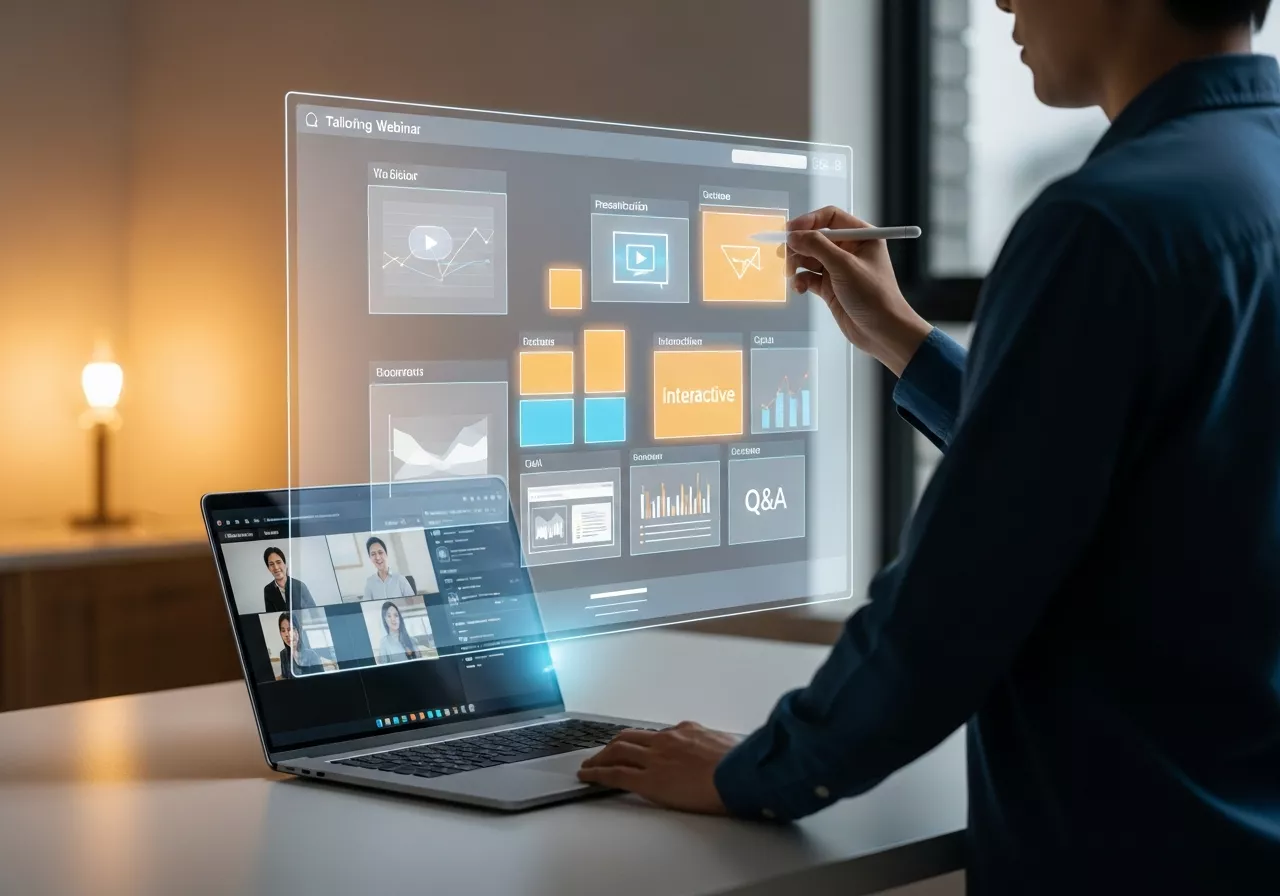
Once you have your segments, build customized content tracks or modules. Consider these tactics:
- Modular Slides: Design core slides that apply to all audiences, then layer in optional modules specific to each segment.
- Personalized Scripts: Write multiple intros and transitions that reference attendee roles or challenges.
- Segment-Specific Case Studies: Showcase success stories from organizations similar to each group.
- Dynamic Poll Questions: Use real-time polls customized by segment to gather feedback and adapt on the fly.
- Dedicated Q&A Breakouts: After the main session, host smaller rooms tailored to specific topics or industries.
By weaving personalized elements throughout your presentation, attendees feel seen and understood, improving overall satisfaction.
Leveraging Webinar Platforms for Personalization
Modern webinar software offers features that make personalization more efficient. Key capabilities to look for include:
- Custom Registration Pages: Build form fields that capture segmenting data, such as department or use case.
- Automated Workflows: Trigger segmented email sequences with content teasers tailored to each group.
- Conditional Content: Show or hide specific slides or polls based on attendee attributes.
- Breakout Room Management: Automatically assign participants to separate rooms by segment for deeper dives.
Evaluate your current platform or consider upgrades to fully support the level of personalization you aim to deliver.
Designing Personalized Email and Reminder Sequences
Your communication sequence before and after the event is as crucial as the live presentation. To maximize attendance and follow-up engagement, create segmented email paths:
Pre-Webinar Teasers: Send targeted previews that highlight the specific benefits for each group.
Reminder Cadence: Adjust reminder frequency and messaging based on engagement signals like email opens or link clicks.
Post-Webinar Offers: Provide customized resources, whitepapers, or trial offers aligned with each segment s goals.
Survey Follow-Ups: Deploy segment-specific surveys to gather feedback on content relevance and usability.
Personalized communication keeps your webinar top of mind and reinforces the value participants expect to receive.
Beyond basic scheduling, personalization allows you to deliver the right message at the right time. For example, highly engaged registrants may receive advanced insights or speaker highlights, while less active subscribers might benefit from urgency-driven reminders that emphasize key takeaways.
Behavior-based automation can further enhance results. Trigger follow-up emails based on actions such as missed attendance, partial viewing, or CTA clicks. This ensures each attendee receives relevant next steps instead of generic post-event messaging.
Timing also plays a critical role. Sending reminders too frequently can cause fatigue, while sending them too infrequently risks low attendance. Use analytics to test optimal send times for different segments and adjust your workflow accordingly.
Finally, maintain consistent branding and tone across all communications while still personalizing the message. This balance builds trust, strengthens recognition, and guides attendees smoothly from registration to post-webinar conversion.
Real-Time Personalization Techniques
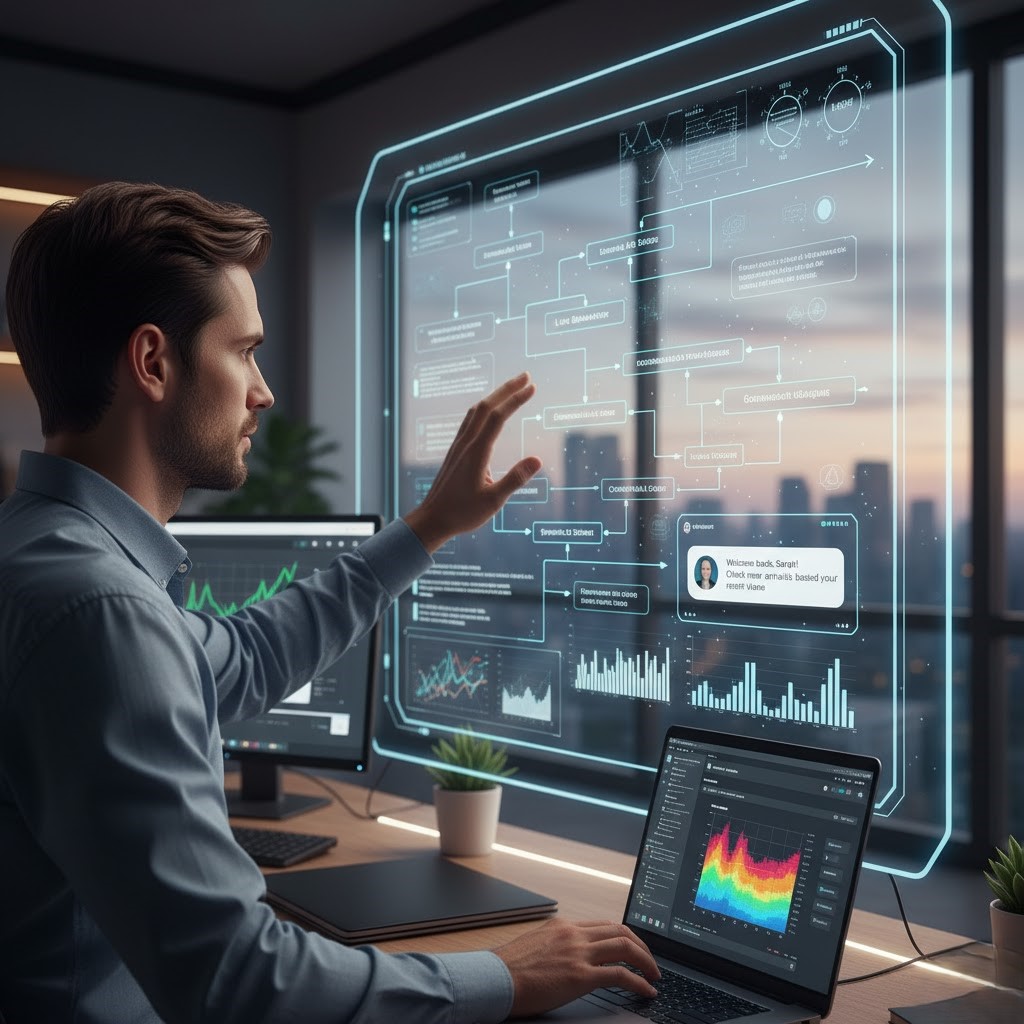
During the live event, adapt your delivery based on audience cues and poll results. Consider these methods:
- Live Poll Segmentation: Route poll options and discussions by segment to maintain relevance.
- Chat Moderation: Assign moderators to watch specific audience groups, ensuring questions are answered promptly.
- On-the-Fly Slide Swaps: Have backup slides or modules ready to insert when a segment requests deeper detail.
These dynamic techniques demonstrate responsiveness and make attendees feel far more engaged than traditional one-way broadcasts.
Measuring Success and Optimizing Future Events
Case Studies: Success with Personalized Webinars
Company A segmented their audience by industry verticals and created mini tracks for finance, healthcare, and retail. Engagement rose by 65 , and conversions doubled among the healthcare cohort. Company B used role-based personalization, sending different slide decks to C level executives versus practitioners. The result was a 40 increase in qualified leads and a 30 boost in post event product trials.
These real world examples underline the power of data-driven customization in webinar marketing.
Best Practices and Common Pitfalls
Start Small: Test personalization on a single segment before scaling to all audiences.
Maintain Core Consistency: Ensure each segment still receives your overarching message and brand voice.
Avoid Oversegmentation: Too many micro segments can complicate execution and dilute impact.
Ensure Data Quality: Inaccurate registration data leads to misaligned content and frustration.
Starting small allows you to refine your personalization strategy with minimal risk. By piloting with one high-priority audience segment, you can identify what resonates, which tools work best, and where operational challenges arise before expanding across all segments.
Maintaining core consistency is vital for brand integrity. While messaging and examples may be customized, your values, tone, and central offer should remain uniform to avoid confusing your audience or diluting brand recognition.
Oversegmentation is a common mistake. While personalization is powerful, dividing your audience into too many micro-groups can overwhelm your content team, increase production costs, and create inconsistent attendee experiences. Focus on meaningful, high-impact segments instead.
High-quality data underpins every successful personalization effort. Regularly audit your registration forms, CRM records, and automation workflows to ensure accuracy. Even small data errors—such as incorrect job titles or industries—can result in poorly targeted content and reduced trust.
Finally, align your internal teams around personalization goals. Marketing, sales, and customer success should all have visibility into segmentation logic and content strategies to ensure seamless handoffs, consistent messaging, and improved post-webinar conversions.
Conclusion and Next Steps
Webinar personalization transforms passive viewers into active participants, creates memorable experiences, and drives measurable business results. By defining clear segments, designing tailored content flows, leveraging modern webinar platforms, and measuring outcomes, you can elevate your events above the generic mass of online presentations. Start by mapping your highest priority segment, build a custom slide module, and run a pilot session to gather feedback. From there, iterate, expand, and watch your attendance, engagement, and conversion metrics climb steadily. Read more about How to Make Your Webinars Accessible and Inclusive.
Embrace personalization today and turn every webinar into a targeted, interactive journey that resonates with each unique segment of your audience.
Frequently Asked Questions (FAQ)
1. What is webinar personalization?
Webinar personalization is the practice of customizing content, communication, and experiences based on audience segments such as role, industry, goals, or experience level.
2. Why is personalization important for webinars?
It increases engagement, reduces drop-off rates, improves retention, and drives higher conversions by making content more relevant to each attendee.
3. How can I segment my webinar audience?
You can segment audiences using registration forms, pre-event surveys, CRM data, job roles, industry type, location, experience level, and key pain points.
4. What tools support personalized webinars?
Modern webinar platforms offer features like customizable registration forms, automated email workflows, conditional content display, live polls, and breakout rooms.
5. How do I measure the success of a personalized webinar?
Track metrics such as attendance rates, engagement levels, poll interactions, conversions, and post-webinar survey feedback across different audience segments.

Webinar Analytics: A Complete Guide to Measuring Success and Improving Performance
The Ultimate Webinar Follow-Up Strategy to Turn Attendees into Customers
Webinar Accessibility Best Practices: How to Make Your Online Events Inclusive for All
Webinar Personalization: Tailoring Content to Audience Segments for Maximum Engagement