
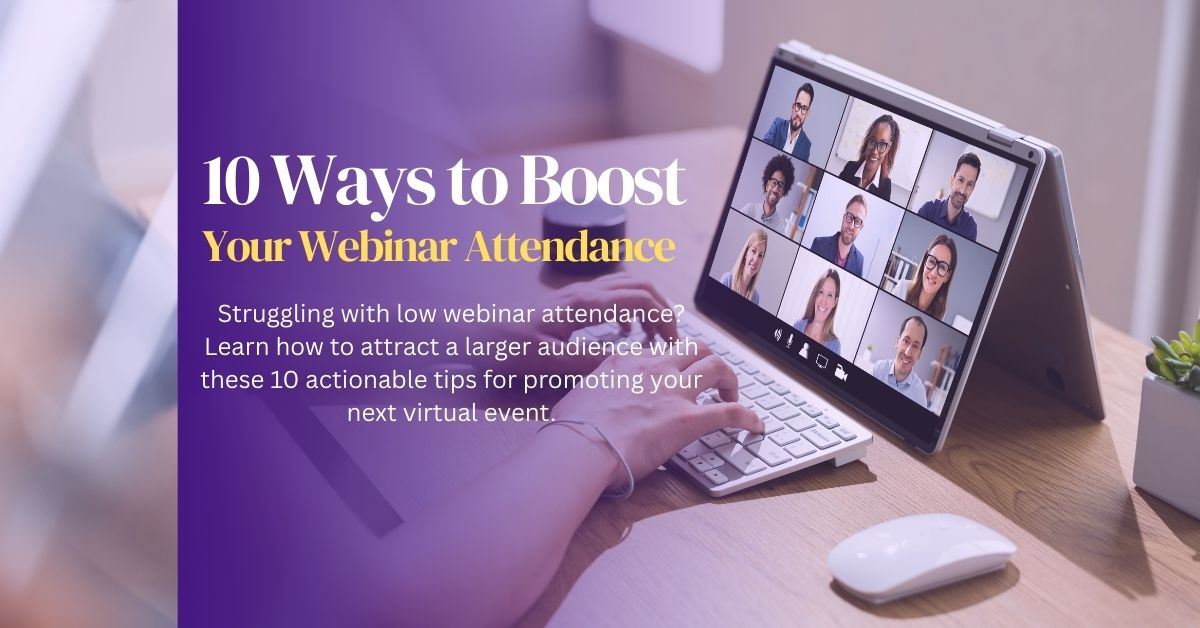
Webinar success depends on both great content and smart promotion. By choosing a relevant topic, optimizing your landing page, promoting across multiple channels, and sending timely reminders, you can significantly boost registrations and attendance. Partner collaborations, social sharing, and on-demand recordings further reduce barriers and help turn webinars into powerful lead-generation tools.
You’ve spent weeks crafting the perfect presentation, lining up expert speakers, and designing a slide deck that’s both informative and visually stunning. You’ve poured your heart and soul into creating a webinar that promises immense value. But when the big day arrives, you’re met with a disappointingly small audience. It’s a common frustration for marketers and business owners alike.
Hosting a successful webinar isn’t just about the quality of the content; it’s also about getting people to show up. A low webinar attendance rate can feel disheartening, but it’s often a sign that your promotion strategy needs a refresh. Getting more people to register—and actually attend—is a crucial step in generating leads, building brand authority, and connecting with your audience.
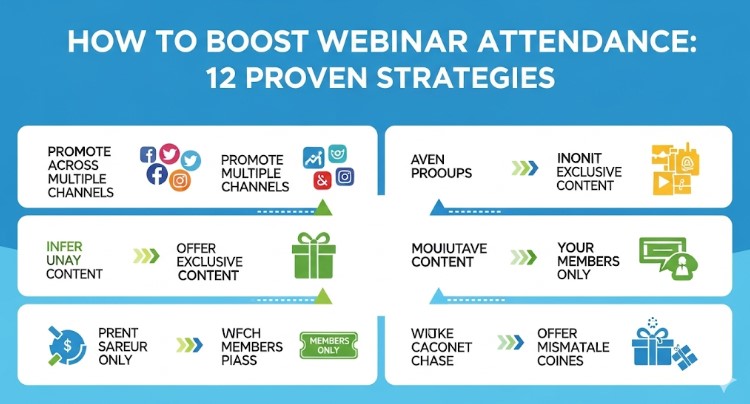
1. Choose a Compelling and Relevant Topic

Before you even think about promotion, you need a topic that resonates with your target audience. The most successful webinars address a specific pain point, answer a pressing question, or offer a solution to a common problem. Your topic should be so compelling that your ideal attendee can’t afford to miss it.
How do you find such a topic?
- Survey Your Audience: Ask your email subscribers or social media followers what they want to learn about.
- Analyze Blog Performance: Look at your most popular blog posts. Can you turn that topic into an engaging webinar?
- Keyword Research: Use tools like Ahrefs or SEMrush to see what questions people are searching for in your industry.
- Check Competitor Webinars: See what topics your competitors are covering. Can you offer a unique angle or a more in-depth discussion?
A specific, value-driven topic is the foundation of high webinar attendance. Vague titles like “Marketing Tips” won’t cut it. Instead, try something like “5 SEO Mistakes That Are Costing Your E-commerce Store Sales” or “How to Build a Content Calendar That Drives Consistent Traffic.”
2. Craft an Optimized Landing Page
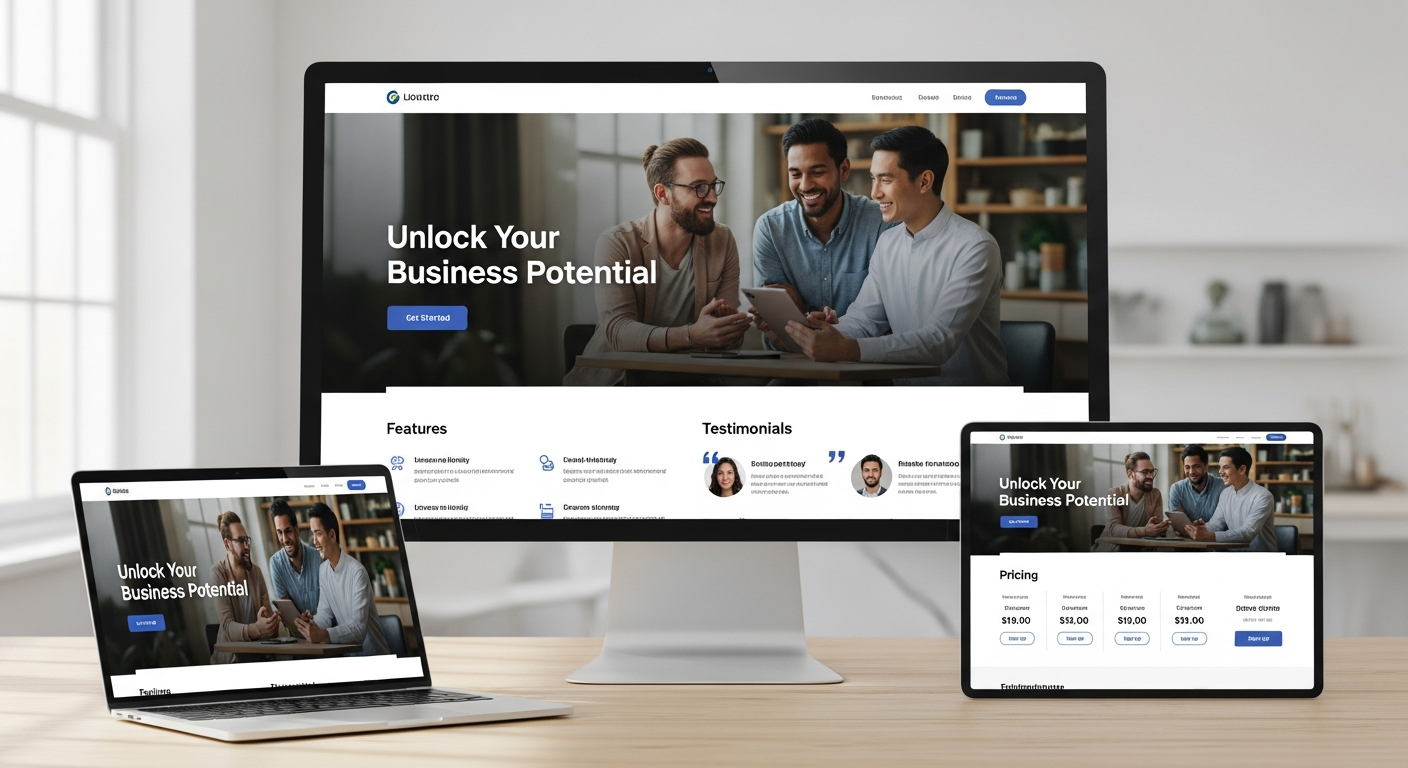
Your webinar landing page is your digital storefront. Its sole purpose is to convince visitors to register. A poorly designed page can significantly hurt your sign-up rate, so it’s essential to get it right.
An effective webinar landing page should include:
- A Clear Headline: Your headline should grab attention and clearly communicate the webinar’s main benefit.
- Compelling Copy: Briefly explain what attendees will learn. Use bullet points to highlight key takeaways and make the information easy to scan.
- Speaker Information: Introduce your speakers with a professional headshot and a short bio. This builds credibility and trust.
- Date, Time, and Duration: Make this information prominent so potential attendees can easily see if it fits their schedule.
- A Simple Registration Form: Only ask for essential information, like name and email address. The fewer fields you have, the higher your conversion rate will be.
- A Strong Call-to-Action (CTA): Use clear, action-oriented language like “Save Your Spot” or “Register Now.”
3. Start Promoting Early and Often
Don’t wait until the last minute to promote your webinar. A well-planned promotion schedule is key to maximizing registrations. Start promoting at least two to three weeks before the event date to build momentum.
Create a multi-channel promotion plan that includes:
- Email Marketing: Your email list is one of your most valuable assets.
- Social Media: Share details across all your relevant platforms.
- Website Banners: Add a banner or pop-up to your website to catch visitor attention.
- Partner Promotion: Collaborate with other businesses or influencers in your niche.
Consistency is crucial. A single announcement isn’t enough. You need to remind your audience about the upcoming webinar multiple times across different channels to stay top-of-mind and drive consistent registrations.
4. Leverage the Power of Email Marketing
Email marketing is consistently one of the most effective channels for driving webinar attendance. Your subscribers have already shown an interest in your brand, making them prime candidates to attend your event.
Create a dedicated email sequence for your webinar promotion:
- Initial Announcement (2-3 weeks out): Introduce the webinar topic, speakers, and what attendees will learn.
- Reminder Email (1 week out): Remind subscribers about the upcoming event and highlight a key benefit or a surprising statistic related to the topic.
- “Last Chance” Email (24-48 hours out): Create a sense of urgency to encourage last-minute sign-ups.
- “Day Of” Email (a few hours before): Send a final reminder to registered attendees with the link to join.
Segment your email list to send more targeted invitations. For example, you could send a special invitation to subscribers who have previously engaged with content related to the webinar topic.
5. Use Social Media to Build Buzz
Social media is an excellent tool for reaching a broader audience and creating excitement around your webinar. Tailor your promotional content to each platform’s strengths.
Here are some ideas:
- Create an Event Page on Facebook and LinkedIn: This makes it easy for people to RSVP and receive notifications.
- Use Visuals: Design eye-catching graphics or short video clips that highlight the webinar’s key details.
- Run Paid Ads: Use targeted ads on platforms like Facebook, Instagram, or LinkedIn to reach a specific demographic or interest group.
- Engage with Your Audience: Ask questions, run polls, and encourage discussions related to the webinar topic to build a community around the event.
- Go Live: Host a short live video session with one of the speakers to give a sneak peek of the webinar content.
6. Collaborate with Partners and Influencers
Partnering with other businesses, industry experts, or influencers can dramatically expand your reach. Find partners whose audience aligns with yours and propose a collaboration.
This could involve:
- Co-hosting the Webinar: Share speaking duties and promotional efforts.
- Cross-Promotion: Agree to promote each other’s webinars to your respective audiences.
- Guest Speakers: Invite a well-known expert in your field to be a speaker. Their name recognition can be a significant draw.
A partnership is a win-win. You gain access to a new, relevant audience, and your partner provides their audience with valuable content.
7. Make Sharing Easy
Encourage your registrants and followers to spread the word by making sharing effortless. Add social sharing buttons to your webinar landing page and post-registration “thank you” page so attendees can quickly share event details with their networks on platforms like LinkedIn, Facebook, or X. The easier it is to share, the more likely people are to do it.
You can further amplify reach by creating a simple referral program. Offer an incentive—such as a free e-book, exclusive webinar bonus content, or a discount on a product or service—to anyone who refers a specific number of new registrants. This approach not only increases registrations but also attracts warm, high-quality leads. Word-of-mouth marketing is incredibly powerful, and with a little encouragement, your audience can become your most effective promotional channel.
8. Send Timely and Engaging Reminders
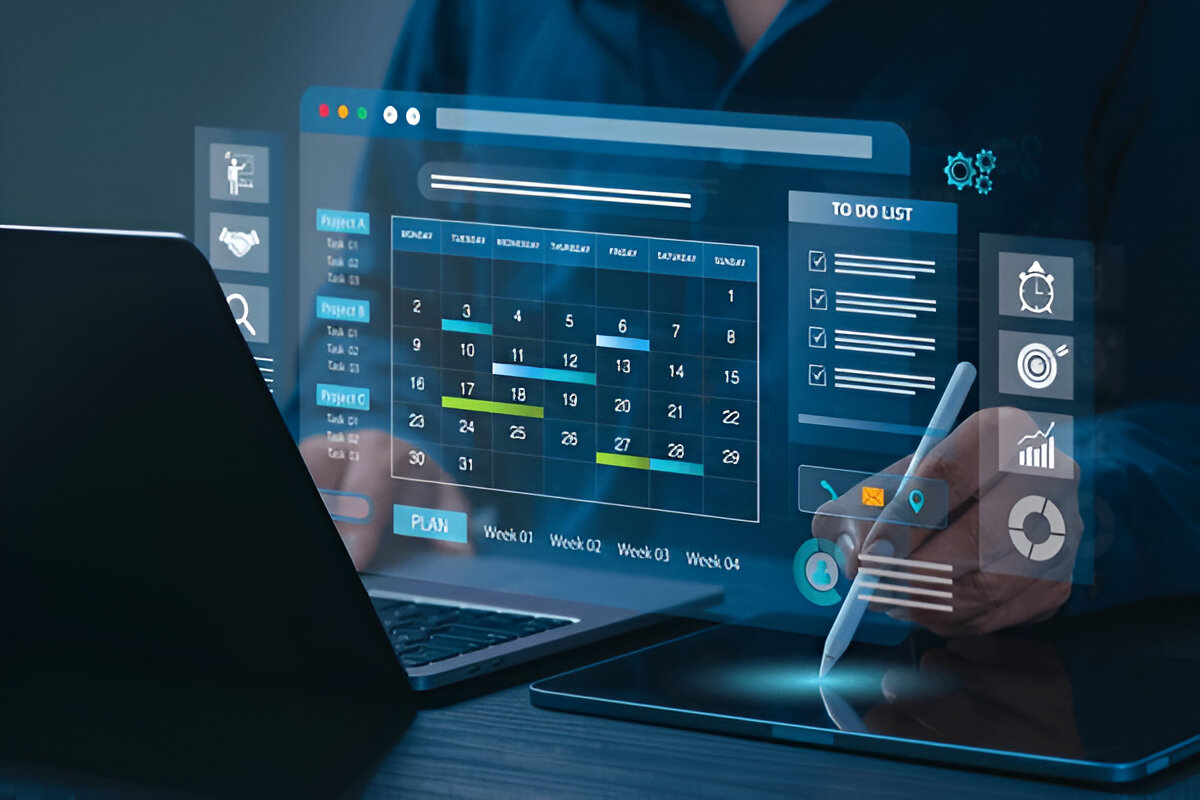
Even with the best intentions, people get busy and forget. That’s why reminder emails are essential for boosting your live webinar attendance rate. An industry benchmark study found that around 35% of registrations happen in the 24 hours before the webinar.
Send reminders to everyone who has registered:
24 hours before: Remind them of the date and time, and reignite their excitement by reiterating the key benefits. This is also a good opportunity to highlight a key takeaway, introduce a speaker, or share a compelling reason why attending live will be valuable.
1 hour before: A final nudge with the direct link to join the webinar. This helps remove friction and makes it easy for attendees to log in at the last moment without searching through previous emails.
Personalize these emails and keep them concise. The goal is to provide a helpful reminder, not to overwhelm their inbox. Using the attendee’s name, referencing their role or interest, and keeping the message clear and actionable can significantly improve open rates and attendance, ensuring more registrants show up and stay engaged during the live session.
9. Offer an On-Demand Recording
Not everyone who wants to attend your webinar will be able to join the live session. Time zone differences, overlapping meetings, work commitments, and unexpected interruptions can all prevent even highly interested prospects from attending in real time. This doesn’t mean they lack interest—it simply means they need more flexibility.
By offering an on-demand recording to all registrants, you remove a major barrier to signing up. When people know they won’t miss out on valuable insights, they’re far more likely to register, even if they’re unsure about their availability. Clearly mention on your landing page, confirmation emails, and reminders that a full recording will be shared after the live event.
This simple assurance can significantly boost registration rates while extending the lifespan of your webinar content. It also allows you to nurture a larger pool of leads after the event by following up with the recording, related resources, and targeted offers, ensuring your webinar continues to deliver value long after it ends.
10. Analyze and Optimize for Future Webinars
Your work isn’t done once the webinar ends. Take the time to analyze your performance to learn what worked and what didn’t.
Track key metrics like:
- Landing page conversion rate: How many visitors registered?
- Registration sources: Which channels drove the most sign-ups?
- Attendance rate: What percentage of registrants actually attended the live event?
- Audience engagement: How many questions were asked? Which parts of the presentation were most engaging?
Use these insights to refine your strategy for future webinars. Continuous improvement is the key to consistently high webinar attendance.
Turn Your Next Webinar Into a Success
Increasing webinar attendance doesn’t have to be a mystery. By implementing these proven strategies, you can attract a larger, more engaged audience for your next virtual event. Start by choosing a topic your audience craves, create a high-converting landing page, and execute a multi-channel promotion plan that builds excitement and drives registrations. Consistent messaging, clear value propositions, and timely reminders will help keep your webinar top-of-mind and encourage both sign-ups and live attendance.
With a thoughtful approach to promotion and a focus on providing real value, you can ensure that your hard work pays off with a packed virtual room. When attendees feel that your webinar genuinely addresses their challenges and offers actionable insights, engagement naturally increases. Over time, refining your strategy based on performance data will help you host webinars that not only attract larger audiences but also generate stronger leads, deeper trust, and lasting brand authority.
Conclusion
A successful webinar is the result of thoughtful planning, strategic promotion, and a deep understanding of your audience’s needs. While high-quality content is essential, it’s the combination of a compelling topic, a strong landing page, consistent multi-channel promotion, and timely reminders that truly drives attendance. By leveraging email marketing, social media, partnerships, and on-demand recordings, you can remove common barriers and reach a wider audience. Most importantly, continuously analyze performance data and refine your approach. With each webinar, these insights will help you improve engagement, generate more qualified leads, and turn your virtual events into a reliable engine for long-term business growth.
Frequently Asked Questions (FAQ)
How far in advance should I promote a webinar?
Start promoting at least 2–3 weeks before the event. This allows time to build awareness, send multiple reminders, and capture last-minute registrations.
What is a good webinar attendance rate?
A strong benchmark is 35–50% of registered attendees showing up live. Consistent reminders and calendar invites can help improve this rate.
Which channel drives the most webinar registrations?
Email marketing typically delivers the highest conversion rates, followed by social media and partner promotions.
Should I offer a webinar recording?
Yes. Promising an on-demand recording removes scheduling barriers and can significantly increase registrations.
How can I reduce no-shows for live webinars?
Send timely reminder emails, clearly communicate value, and provide easy access links shortly before the event.


Webinar Analytics: A Complete Guide to Measuring Success and Improving Performance
The Ultimate Webinar Follow-Up Strategy to Turn Attendees into Customers
Webinar Accessibility Best Practices: How to Make Your Online Events Inclusive for All
Webinar Personalization: Tailoring Content to Audience Segments for Maximum Engagement