
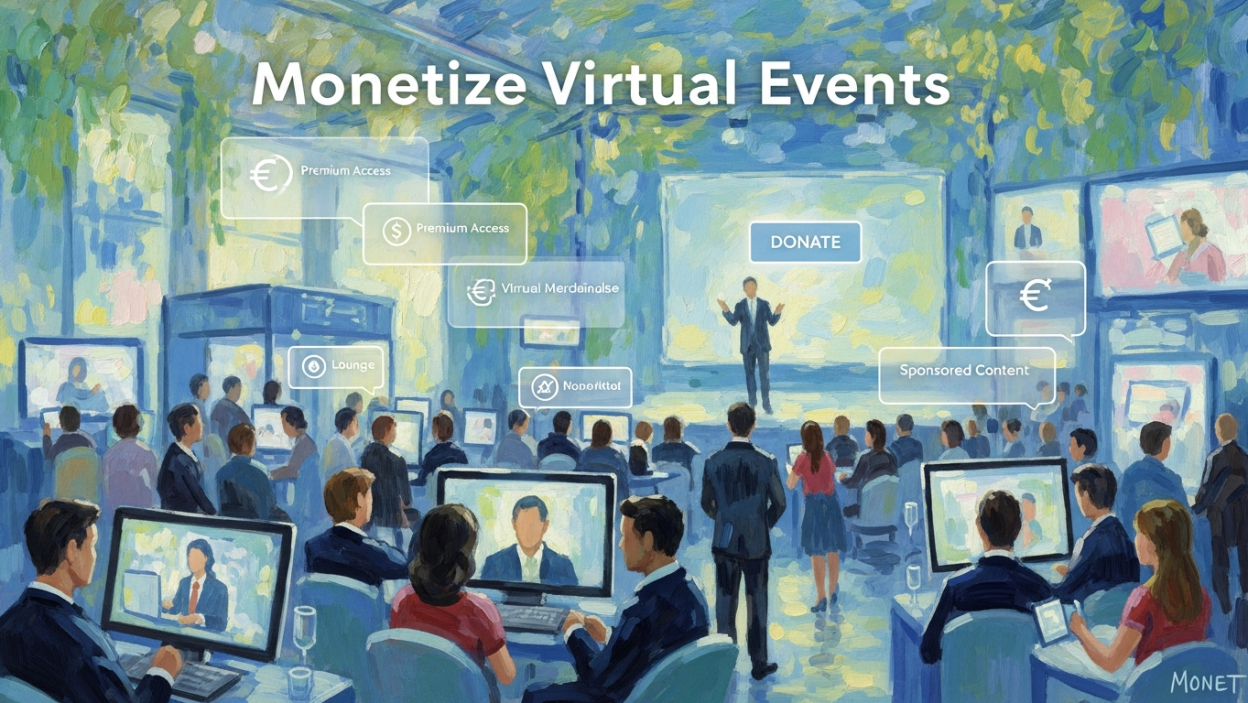
Virtual events have evolved into lucrative opportunities beyond traditional gatherings. Monetization strategies include registration fees, sponsorships, premium content sales, freemium models, virtual exhibitions, exclusive networking, and complementary product offerings. Leveraging attendee data and analytics enhances revenue potential. By aligning strategies with audience needs, continuously optimizing offerings, and measuring performance, organizers can transform virtual events into sustainable, profitable ventures.
Virtual events have transformed from a pandemic necessity to a profitable business opportunity. While many organizers initially focused on simply recreating in-person experiences online, savvy event professionals now recognize the unique monetization potential that digital platforms offer.
Whether you’re hosting webinars, conferences, workshops, or networking events, virtual formats provide multiple revenue streams that weren’t possible with traditional gatherings. The key lies in understanding which strategies align with your audience and event goals.
Charge Registration Fees

The most straightforward approach to monetizing virtual events involves charging attendees an upfront registration fee. This model works particularly well for educational content, professional development sessions, and exclusive networking opportunities.
Consider implementing tiered pricing structures that offer different value levels:
Basic Access: Live event attendance with standard features
Premium Access: Includes recordings, additional resources, and Q&A priority
VIP Experience: One-on-one networking opportunities, exclusive breakout rooms, and direct access to speakers
When setting prices, research competitor events and survey your target audience to find the sweet spot between accessibility and profitability. Remember that virtual events typically cost less to produce than in-person gatherings, allowing for competitive pricing while maintaining healthy margins.
Partner with Sponsors
Virtual events offer unique sponsorship opportunities that can generate significant revenue while providing brands with valuable exposure and engagement. Digital platforms allow sponsors to access trackable metrics, detailed audience insights, and innovative branding possibilities that were harder to measure in traditional events. These analytics help sponsors see tangible returns on their investment and make informed decisions about future partnerships.
Popular sponsorship packages include:
-
Logo placement on virtual event platforms, email communications, and promotional materials
-
Speaking opportunities for sponsor representatives during keynote sessions or panel discussions
-
Virtual booth spaces in networking areas or exhibition halls
-
Branded breakout rooms for product demonstrations or consultations
-
Email list access for post-event follow-up (with attendee consent)
Sponsors value the detailed analytics virtual platforms provide, including attendance duration, engagement rates, click-throughs, and lead generation metrics. These insights demonstrate ROI, justify sponsorship costs, and foster long-term, mutually beneficial partnerships. By offering customizable packages and transparent performance data, event organizers can attract high-quality sponsors, enhance event credibility, and increase overall revenue potential.
Sell Premium Content Access
Virtual events create valuable content that continues generating revenue long after the live session ends. Recorded sessions, presentation materials, and exclusive resources can be packaged and sold to extend your event’s earning potential.
Develop tiered content offerings:
Session recordings available for individual purchase or rental periods
Complete conference packages with all presentations and supplementary materials
Exclusive content libraries accessible through monthly or annual subscriptions
Certification programs that combine event content with additional learning modules
This approach works especially well for educational content, professional training, and industry conferences where attendees value ongoing access to information.
Implement Freemium Models
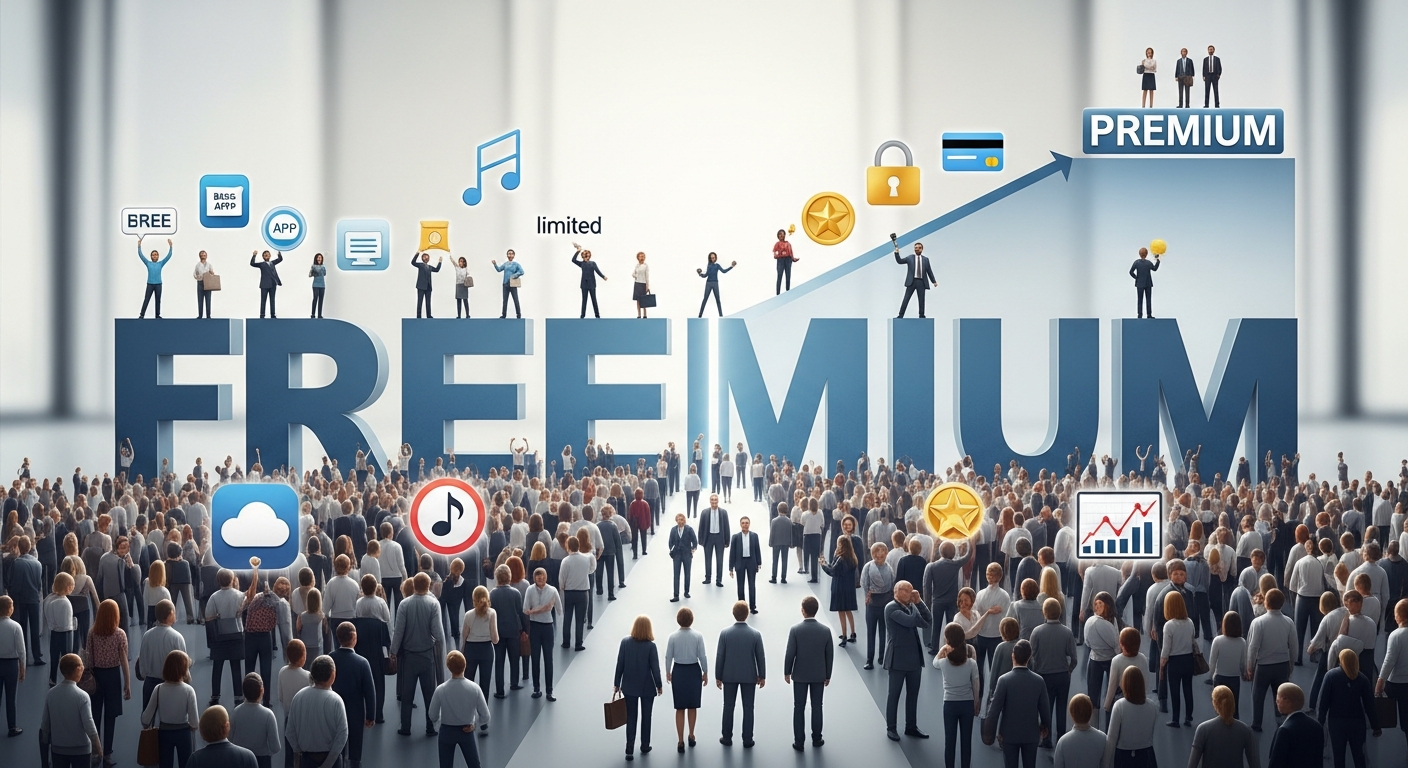
Freemium models attract larger audiences while converting engaged participants into paying customers. Offer basic event access at no charge, then upsell premium features and experiences.
Structure your freemium offering strategically:
Free tier: Live event access with basic networking features
Premium upgrades: Recording access, exclusive content, and enhanced networking tools
VIP experiences: Private sessions with speakers, advanced networking opportunities, and priority support
This approach helps build brand awareness, generates leads for future events, and creates opportunities for post-event product or service sales.
Create Virtual Exhibitions
Digital exhibition spaces provide vendors and sponsors with dedicated areas to showcase products and services. These virtual booths can generate revenue through rental fees while offering attendees valuable resources and networking opportunities.
Virtual exhibitions work well for:
Trade shows and industry conferences where product demonstrations are essential
Career fairs connecting job seekers with potential employers
Educational events featuring relevant tools, software, and resources
Charge exhibitors based on booth features, visitor analytics access, and lead generation capabilities. Many platforms offer detailed reporting on booth visits, engagement time, and contact information collection.
Offer Exclusive Networking Opportunities
Professional networking remains one of the most valuable aspects of events. Virtual platforms can monetize these connections through exclusive access to networking features and experiences.
Revenue-generating networking options include:
VIP networking sessions with industry leaders and keynote speakers
Small group mastermind sessions focused on specific topics or challenges
One-on-one meeting facilitation with scheduling tools and dedicated time slots
Industry-specific breakout rooms for targeted professional discussions
These premium networking experiences often justify higher ticket prices and create lasting value for participants seeking meaningful professional connections.
Sell Complementary Products and Services
Virtual events provide excellent opportunities to promote and sell related products or services. The engaged, targeted audience you’ve assembled represents a prime market for relevant offerings.
Effective product integration strategies:
Live product demonstrations during event sessions or dedicated showcase periods
Exclusive discount codes for event attendees on related products or services
Limited-time offers that create urgency and drive immediate sales
Bundle packages combining event access with complementary products
Ensure any product promotion adds genuine value to the event experience rather than feeling like intrusive advertising.
Leverage Data and Analytics
Virtual events generate valuable data about attendee behavior, preferences, and engagement patterns. This information can be monetized through various channels while providing insights for future event planning.
Market research services using aggregated, anonymized attendee data
Sponsored content recommendations based on engagement analytics
Targeted advertising opportunities within the event platform
Post-event consulting services helping other organizers improve their virtual events
Always prioritize attendee privacy and obtain proper consent before using personal data for monetization purposes.
Charge Registration Fees
Charging registration fees is a fundamental method to monetize virtual events, offering a direct revenue stream while setting attendee expectations about content value. Organizers can implement tiered pricing to accommodate different audience segments: basic access for live attendance, premium access with recordings and resources, and VIP experiences with exclusive networking or speaker interaction. Consider competitive benchmarking and audience surveys to determine optimal pricing that balances accessibility and profitability. Registration fees are particularly effective for educational sessions, professional development workshops, or industry-specific conferences. Coupled with marketing campaigns highlighting unique content, these fees establish perceived value, incentivize commitment, and provide predictable income that offsets production costs while allowing for investment in higher-quality event features.
Sell Premium Content Access
Virtual events generate content that retains value beyond live sessions. Recording webinars, panels, and workshops allows organizers to sell premium content, extending revenue streams. Tiered offerings can include individual session purchases, complete conference packages, exclusive content libraries, or subscription-based access to all recorded material. Certification programs can enhance perceived value for professional attendees seeking continuing education. Premium content monetization works especially well in industries where information retention is crucial, such as education, technology, or professional development. By marketing content effectively and creating a sense of exclusivity, organizers not only increase revenue but also broaden audience reach. Continuous updates and high-quality resources maintain content relevance and encourage repeat purchases.
Implement Freemium Models
Freemium models attract larger audiences by offering free access to basic event features while upselling advanced tools or experiences. Free tiers may include live session attendance and standard networking options, while premium tiers provide recordings, exclusive content, and enhanced interactive features. VIP experiences can include one-on-one sessions with speakers, priority support, or private networking rooms. Freemium models help build brand awareness, generate leads, and establish trust by giving users a no-risk opportunity to experience the event’s value. Converting engaged participants to paying customers relies on clear differentiation between free and paid features, as well as timely communication of the benefits of upgrading. This strategy also facilitates long-term monetization beyond the event itself.
Create Virtual Exhibitions
Virtual exhibition spaces allow vendors, partners, and sponsors to showcase products or services while generating revenue through booth rentals. Organizers can offer features such as customizable booth designs, visitor analytics, lead capture forms, or interactive demos to enhance exhibitor value. Exhibitions are effective for trade shows, career fairs, or educational events requiring product demonstrations or software presentations. Pricing can vary based on booth features, analytics access, and lead generation capabilities. Detailed reports on engagement, visitor time, and contact collection provide measurable ROI for exhibitors. Well-designed virtual exhibitions create networking opportunities for attendees, encourage interaction with brands, and drive sales while generating a profitable revenue stream for event organizers.
Offer Exclusive Networking Opportunities
Professional networking is a highly valued aspect of virtual events and can be monetized through premium access. Options include VIP networking sessions with industry leaders, small group mastermind discussions, one-on-one meeting facilitation, or topic-specific breakout rooms. Charging for these experiences justifies higher ticket prices while providing attendees with meaningful connections that foster business growth and collaboration. Platforms can facilitate scheduling, reminders, and follow-ups to ensure high engagement. Exclusive networking not only adds perceived value to the event but also strengthens attendee loyalty, increases satisfaction, and enhances the overall event reputation. Well-executed networking opportunities can also attract sponsorships and recurring participation in future events.
Measuring Success and Optimizing Revenue
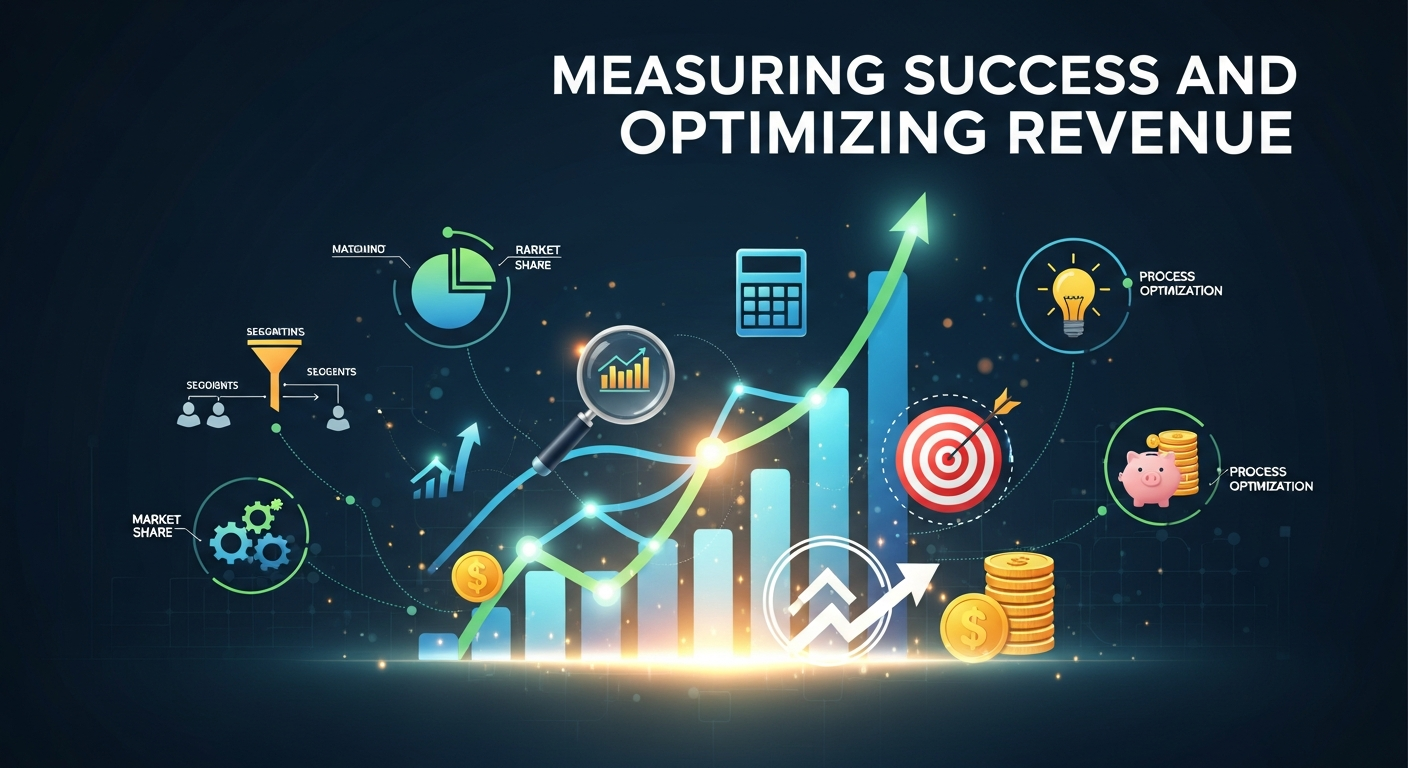
Track key performance indicators to evaluate your monetization strategies and identify improvement opportunities. Monitoring these KPIs provides actionable insights that help optimize revenue generation, improve attendee experiences, and strengthen sponsor relationships.
Revenue per attendee across different pricing tiers and access levels allows you to see which offerings provide the highest return and which may need adjustment to maximize profitability. Segmenting attendees by tier highlights preferences and spending behavior, enabling more precise pricing and package optimization.
Sponsor satisfaction scores and renewal rates for future events indicate the effectiveness of your partnership approach. High satisfaction correlates with stronger long-term collaborations, increased sponsorship revenue, and the potential to upsell premium sponsorship packages. Collecting feedback through surveys and post-event reports ensures sponsors’ needs are met.
Content engagement metrics help identify the most valuable offerings and sessions, revealing which topics, formats, or speakers resonate best with your audience. This insight informs future content planning, enhances attendee experience, and boosts the perceived value of your events.
Conversion rates from free to paid access or product purchases reveal the effectiveness of your freemium or upselling strategies. Analyzing these rates helps identify friction points in the purchase process, optimize marketing funnels, and increase overall revenue.
Use this data to refine your approach, adjust pricing strategies, and develop more effective monetization methods for future virtual events. Continuous tracking and analysis enable informed decision-making, ensure your event offerings align with attendee expectations, and maximize long-term profitability.
Transform Your Virtual Events into Profit Centers
Virtual events offer unprecedented opportunities to create multiple revenue streams while delivering exceptional value to attendees. Success comes from understanding your audience, experimenting with different monetization approaches, and continuously refining your strategy based on performance data.
Start by implementing one or two strategies that align with your current event format and audience expectations. As you gain experience and gather feedback, expand your monetization efforts to maximize revenue potential.
The virtual event landscape continues evolving, presenting new opportunities for creative organizers willing to think beyond traditional event models. Your next virtual event could become a sustainable, profitable business venture.
Conclusion:
Virtual events provide versatile revenue streams while delivering value to attendees. Success depends on understanding your audience, implementing diverse monetization strategies, and leveraging analytics to optimize performance. By thoughtfully combining registration fees, sponsorships, premium content, and interactive features, organizers can create engaging, profitable experiences. Continuous refinement and experimentation ensure long-term growth and sustainable income from digital events.
Frequently Asked Questions (FAQ):
1. What are the main ways to monetize virtual events?
Registration fees, sponsorships, premium content, freemium access, virtual exhibitions, exclusive networking, and complementary product or service sales.
2. How can sponsorships benefit virtual events?
Sponsors gain brand exposure, audience insights, lead generation, and measurable engagement, often resulting in long-term partnerships.
3. What is a freemium model?
Offering free access to basic event features while charging for premium content, networking, or VIP experiences to convert engaged attendees into paying customers.
4. How can data and analytics generate revenue?
Aggregated attendee data can inform market research, targeted advertising, sponsored content, and consulting services, enhancing monetization opportunities.
5. Why sell complementary products or services?
Engaged audiences are highly targeted, making them more likely to purchase related offerings, increasing event ROI.
6. How do you measure virtual event success?
Track revenue per attendee, sponsor satisfaction, content engagement, and conversion rates from free to paid access or product purchases.




Webinar Analytics: A Complete Guide to Measuring Success and Improving Performance
The Ultimate Webinar Follow-Up Strategy to Turn Attendees into Customers
Webinar Accessibility Best Practices: How to Make Your Online Events Inclusive for All
Webinar Personalization: Tailoring Content to Audience Segments for Maximum Engagement